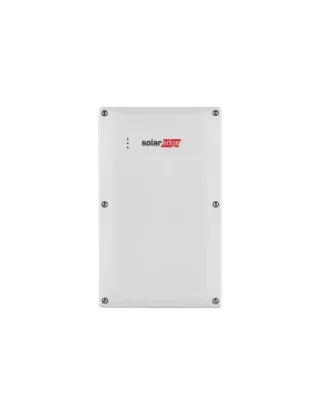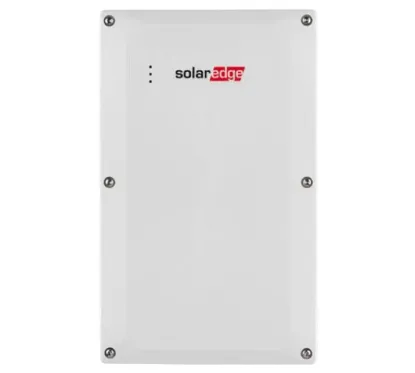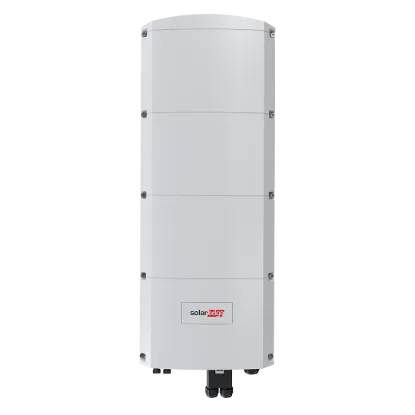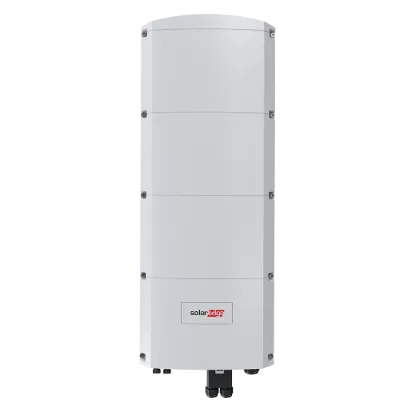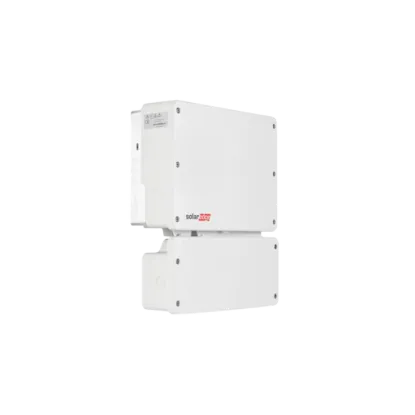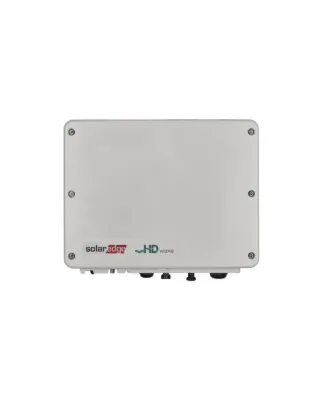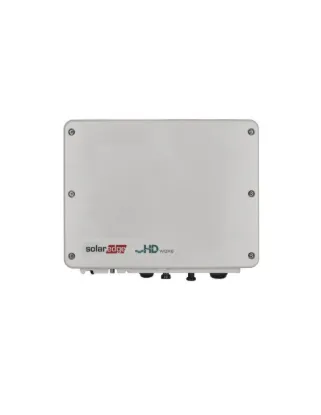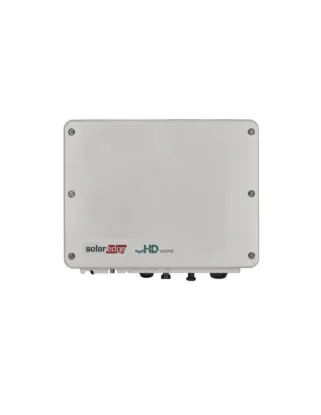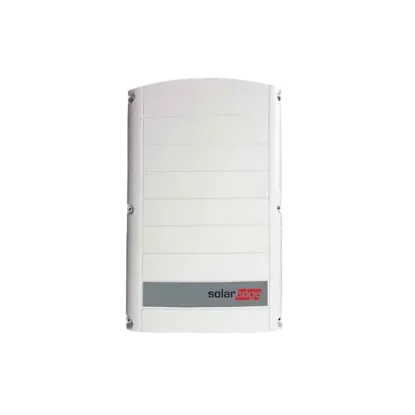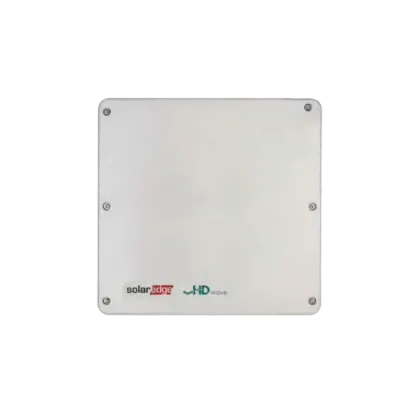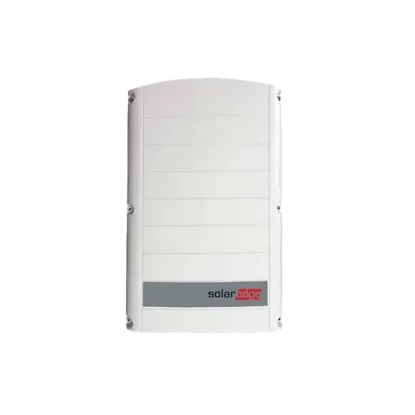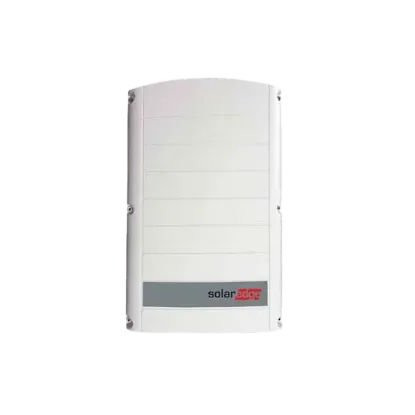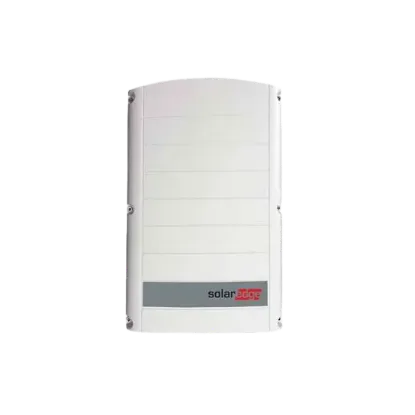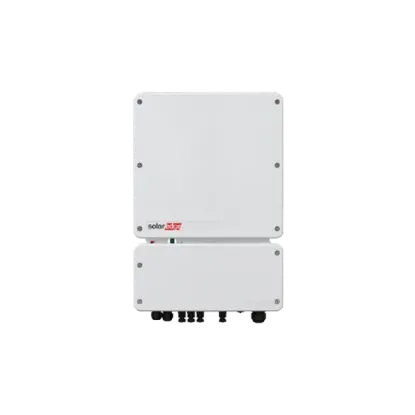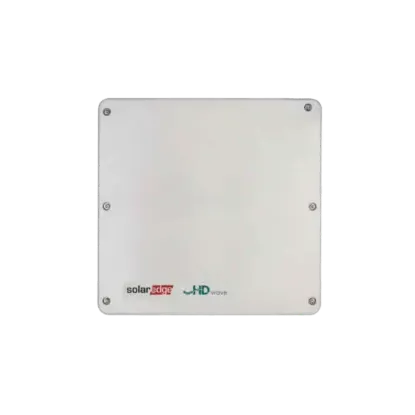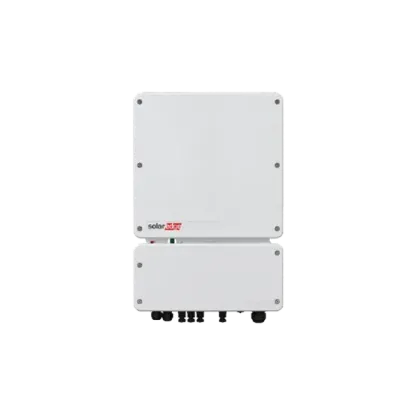


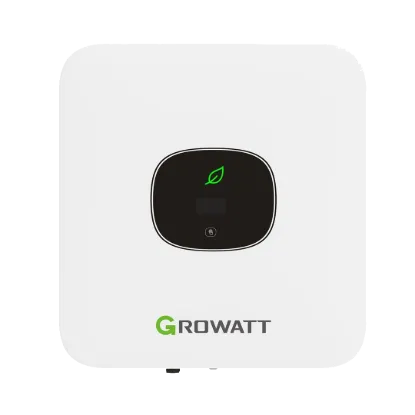
Growatt MIC 750 TL-X-DC 750W Single-Phase Solar Inverter
£167.36
ex VAT
£200.83 inc VAT
Speak to the LAMPS team for product advice, alternatives and trade support.
"I recently ordered a SolarEdge Home Wave SE3680 inverter and compatible wifi antenna to replace a faulty older inverter. Good price, quick delivery and excellent customer service."
"Excellent support when choosing solar inverters and ancillaries. LAMPS made it easy to get the right kit delivered to site on time."
"I ordered the Ohme Home Pro 5m Smart EV Charger from LAMPS as they offered the best price online. From the initial order to the product arriving within a few days it was effortless."
Convert solar power into usable electricity
Solar panels generate direct current (DC) electricity, while homes and businesses use alternating current (AC) electricity.
A solar inverter converts DC electricity from the panels into AC electricity that can be used by appliances, lighting, and electrical systems within the property.
Inverters also manage system safety, monitor performance, and control how energy flows between solar panels, batteries, and the grid.
There are several common inverter types used in UK solar installations.
String inverters connect multiple solar panels together in a series and are widely used for straightforward roof layouts.
Hybrid inverters manage both solar generation and battery storage within a single unit, allowing energy to be stored and used later.
Optimised systems use panel-level optimisation to improve performance where shading or complex roof layouts are present.
Manufacturers such as SolarEdge specialise in advanced optimisation technology, while brands like SolaX and Sunsynk are well known for flexible hybrid inverter solutions.
Hybrid inverters are increasingly popular for modern solar installations.
They allow solar panels and batteries to operate together efficiently, controlling when energy is stored, used, or exported to the grid.
Hybrid systems also simplify installation by reducing the need for separate battery inverters and additional equipment.
Many hybrid inverters are designed to support future battery upgrades, even if storage is not installed initially.
Modern solar inverters include advanced monitoring capabilities, allowing system performance to be tracked in real time.
Typical features include:
• App-based system monitoring
• Energy flow visualisation
• Fault detection and alerts
• Historical performance data
These tools help homeowners and businesses understand energy usage and optimise system efficiency.
Choosing the correct inverter size is essential for overall system performance.
An inverter must be matched to the solar panel array, expected generation levels, and any connected battery storage.
Correct sizing ensures efficient energy conversion while avoiding unnecessary limitations on system output.
Solar inverters operate continuously and are subject to thermal and electrical stress over time.
High-quality inverters are designed to operate reliably for many years and typically include warranties ranging from 5 to 12 years, with extension options available.
Selecting trusted manufacturers such as Fox ESS, SolaX, Sunsynk, and SolarEdge provides long-term confidence in performance and support.
Solar inverters are available for both domestic and commercial applications.
Residential systems typically focus on efficiency, quiet operation, and smart control.
Commercial inverters prioritise higher power output, scalability, and robust long-term operation in demanding environments.
The correct inverter choice depends on system size, building type, and long-term energy goals.
The best inverter is not always the most powerful option.
Important considerations include:
• Compatibility with solar panels and batteries
• Monitoring and control features
• Installation environment
• Warranty and manufacturer support
• Future system expansion plans
Proper inverter selection ensures efficient operation, system reliability, and long-term return on investment.