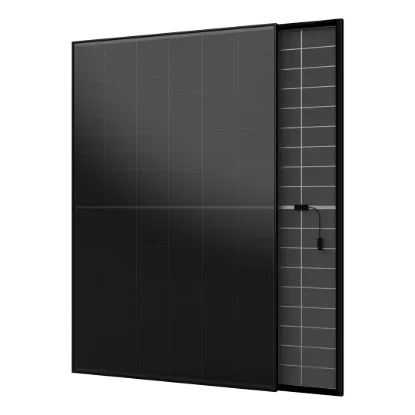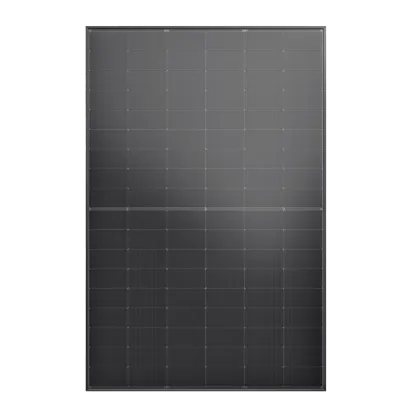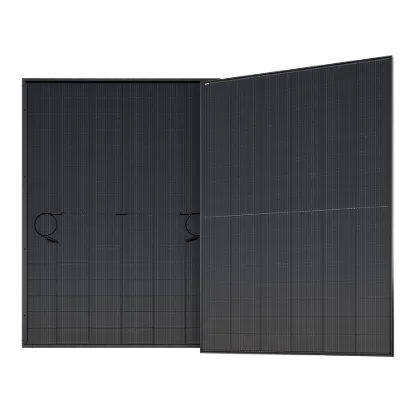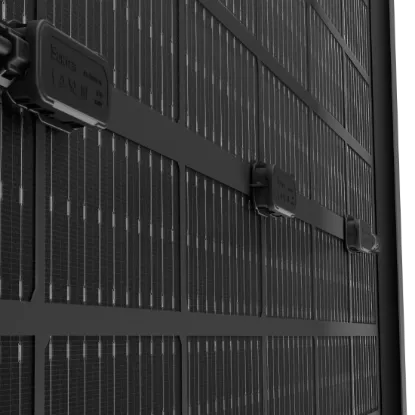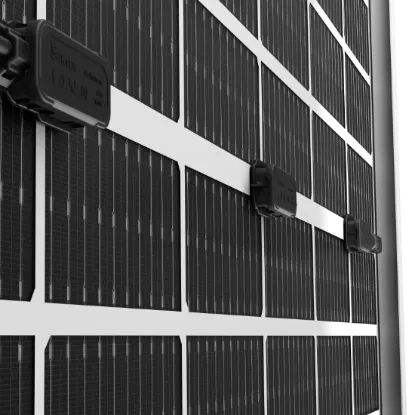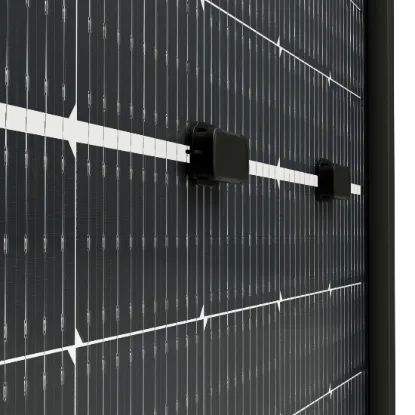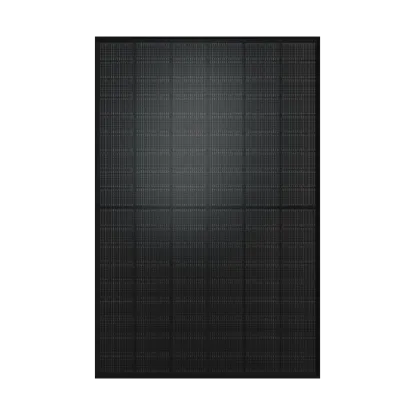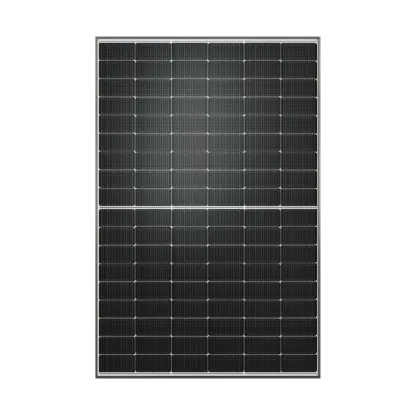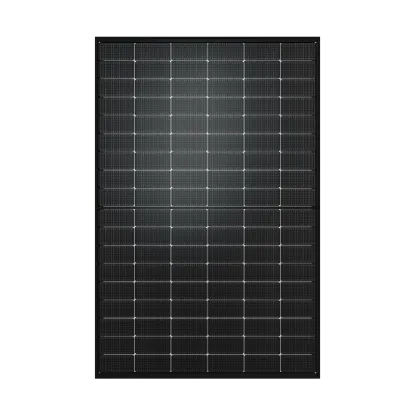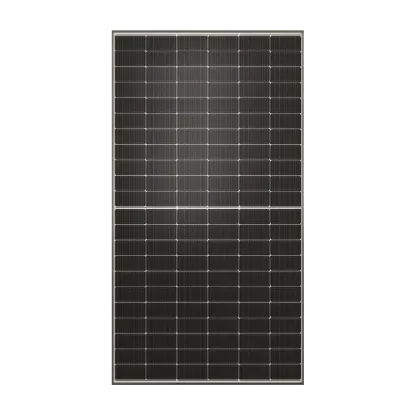


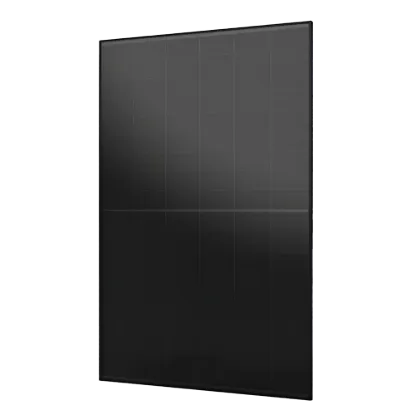
AIKO Neostar 2S 460W All Black Solar Panel
£86.64
ex VAT
£103.97 inc VAT
Speak to the LAMPS team for product advice, alternatives and trade support.
"I recently ordered a SolarEdge Home Wave SE3680 inverter and compatible wifi antenna to replace a faulty older inverter. Good price, quick delivery and excellent customer service."
"Excellent support when choosing solar inverters and ancillaries. LAMPS made it easy to get the right kit delivered to site on time."
"I ordered the Ohme Home Pro 5m Smart EV Charger from LAMPS as they offered the best price online. From the initial order to the product arriving within a few days it was effortless."
Rooftop panels for homes and businesses
Solar panels, also known as photovoltaic (PV) panels, generate electricity by converting sunlight into usable energy through silicon-based solar cells.
When sunlight hits the panel surface, electrons are activated within the cells, producing direct current (DC) electricity. This electricity is then converted into usable alternating current (AC) by a solar inverter for use within the property.
Modern solar panels are designed to perform efficiently even in the UK’s varied weather conditions, generating power throughout daylight hours rather than only in direct sunshine.
Most modern residential and commercial installations use monocrystalline solar panels.
These panels offer:
• Higher efficiency levels
• Better performance in limited roof space
• Improved output in low-light conditions
• Longer operational lifespan
Premium manufacturers such as AIKO and Jinko specialise in advanced monocrystalline technologies designed to maximise energy yield over time.
Solar panel efficiency refers to how effectively a panel converts sunlight into electricity.
Higher-efficiency panels allow more power to be generated from the same roof area, which is particularly important for homes with limited space.
Panel output is measured in watts (W), with modern panels commonly ranging from approximately 400W to 500W+ depending on model and technology.
Selecting the right panel output depends on roof size, orientation, shading, and overall system design.
Solar panels are well suited to UK installations.
While output is naturally higher during spring and summer, modern panels continue generating electricity during cloudy conditions and throughout winter daylight hours.
Advancements in cell technology mean today’s panels deliver consistent year-round performance, helping homeowners and businesses reduce reliance on grid electricity.
Solar panels can be installed on a wide range of property types, including:
• Residential homes
• Commercial buildings
• Warehouses and industrial units
• Schools and public-sector properties
• Agricultural and rural buildings
System size and layout are tailored to energy usage, roof structure, and future expansion plans.
Solar panels form part of a complete energy system.
They are typically installed alongside:
• Solar inverters to convert DC electricity into usable AC power
• Solar batteries to store surplus energy for later use
• Smart monitoring systems to track performance and savings
Correct system design ensures panels operate efficiently and deliver maximum long-term value.
High-quality solar panels are built to operate for decades.
Most reputable manufacturers offer long product warranties and extended performance guarantees, ensuring panels continue producing energy well beyond 20–25 years.
Choosing established brands such as AIKO and Jinko provides confidence in durability, performance, and manufacturer support.
The best solar panels are not simply those with the highest wattage rating.
Important considerations include:
• Efficiency and real-world performance
• Roof size and layout
• Budget and long-term return on investment
• Compatibility with inverters and batteries
• Manufacturer reputation and warranty support
Selecting the right panel at the design stage ensures reliable output, long-term savings, and a future-proof solar installation.