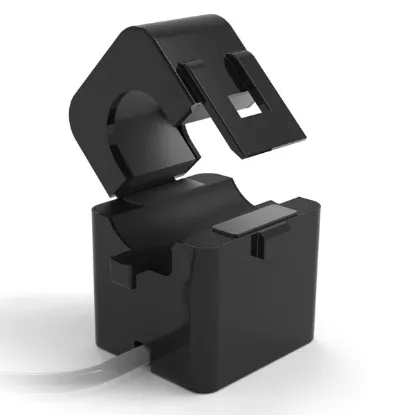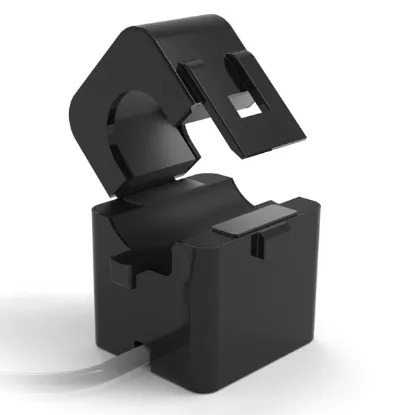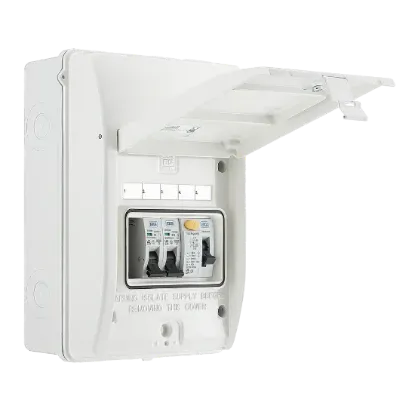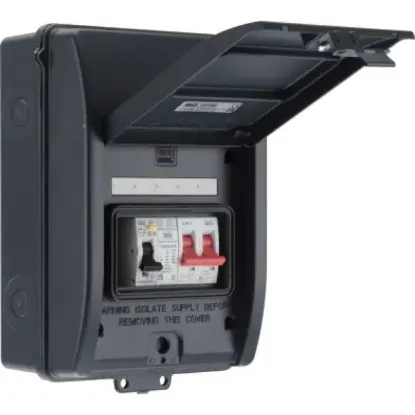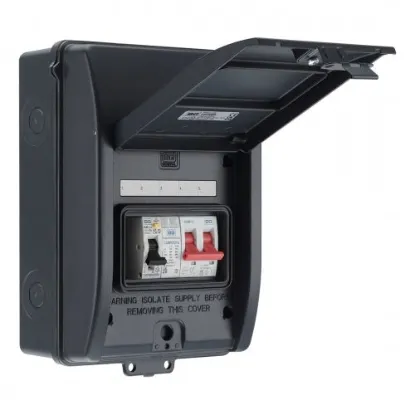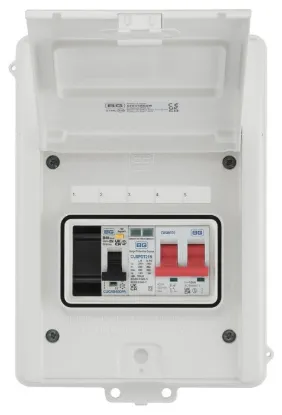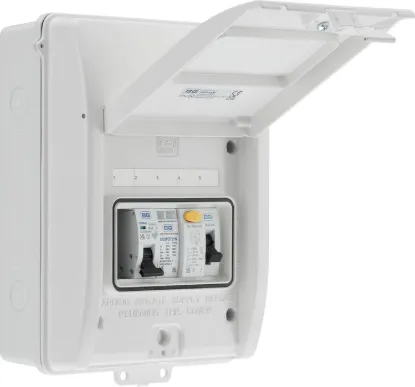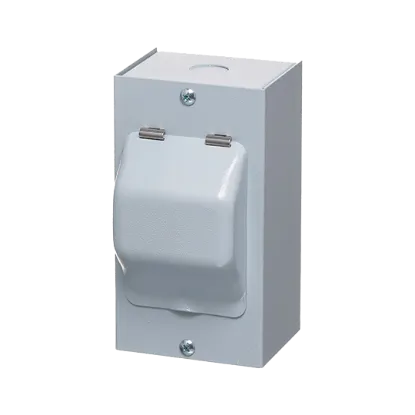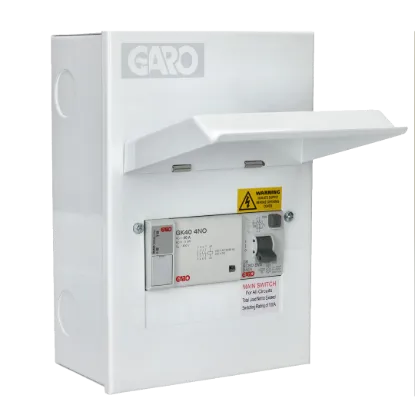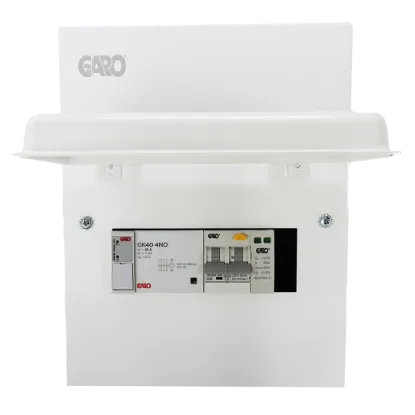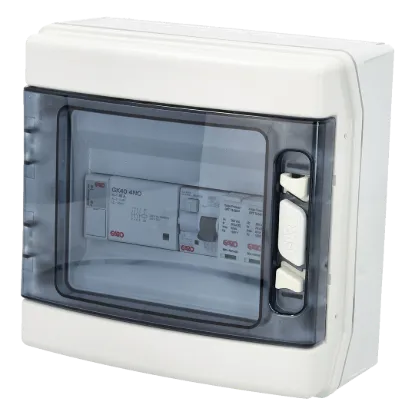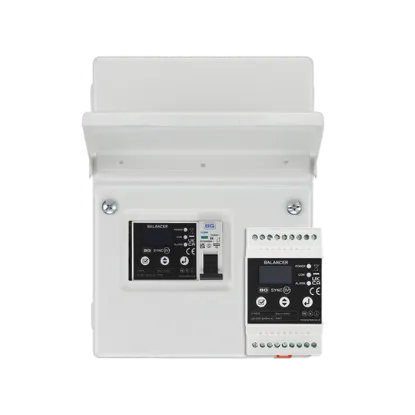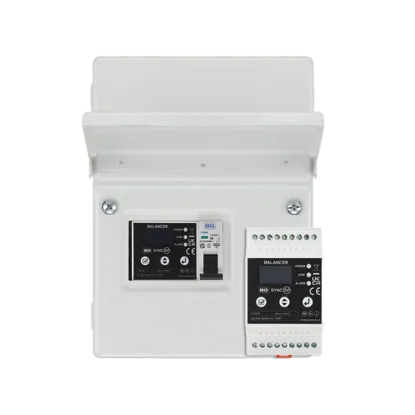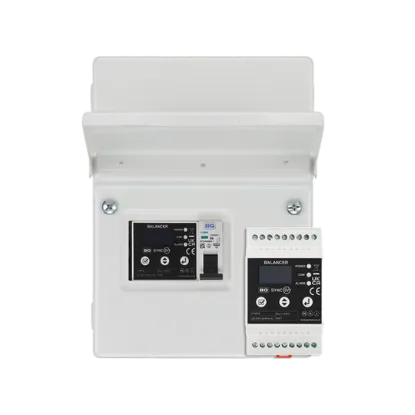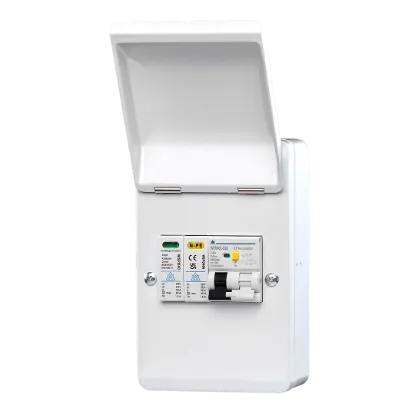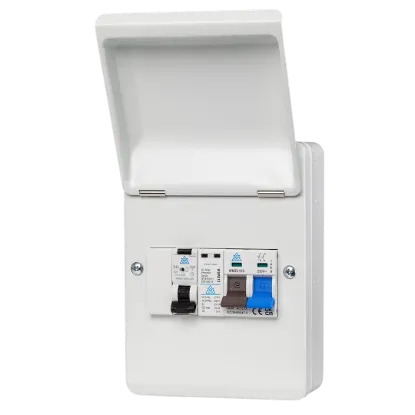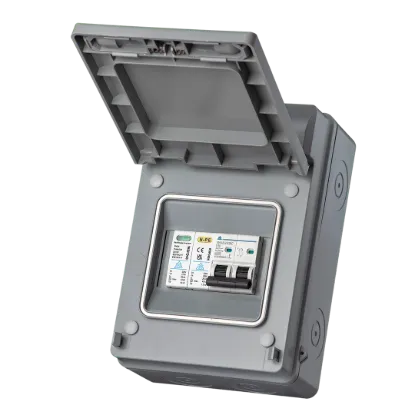



Easee Equalizer 100A Load Balancer (90500UK)
£99.00
ex VAT
£118.80 inc VAT
Compare home and commercial EV charger options by cable type, solar, smart tariffs and control needs.
"I ordered the Ohme Home Pro 5m Smart EV Charger from LAMPS as they offered the best price online. From the initial order to the product arriving within a few days it was effortless."
"LAMPS helped us source commercial EV charging hardware for a workplace install. Clear advice, competitive trade pricing and reliable stock availability."
"I recently ordered a SolarEdge Home Wave SE3680 inverter and compatible wifi antenna to replace a faulty older inverter. Good price, quick delivery and excellent customer service."
Circuit protection for EV installations
Unlike many household appliances, EV chargers can operate at high power for several hours at a time.
Without correct protective devices in place, this sustained load can increase the risk of overheating, electrical faults, or dangerous fault currents.
Proper circuit protection ensures that power is safely disconnected if an issue is detected, protecting both people and property.
EV charger installations in the UK must comply with current wiring regulations, including BS 7671.
Depending on the charger type and installation method, protection may include:
• Dedicated circuit protection for the EV charger
• Residual current protection (RCD or RCBO)
• Overcurrent protection (MCBs or integrated devices)
• Surge protection devices (SPDs)
• PME fault protection or open PEN protection where required
These components work together to maintain electrical safety during normal operation and in fault conditions.
Residual current protection is a core requirement for EV charging circuits.
Many modern EV chargers include built-in DC fault detection, allowing the use of Type A RCDs or RCBOs rather than Type B devices, depending on manufacturer guidance.
Where chargers do not include this protection internally, appropriate external devices must be installed to ensure compliance and safety.
Always follow the charger manufacturer’s installation instructions when selecting protection devices.
Surge protection devices (SPDs) help protect electrical equipment from transient overvoltages caused by lightning strikes or switching events on the electrical network.
With EV chargers representing a significant investment, surge protection is strongly recommended and often required under current regulations when certain conditions are met.
Installing suitable SPDs can help reduce the risk of damage to chargers, consumer units, and connected electrical systems.
In many UK properties, EV charger installations must address the risk associated with broken PEN conductors on TN-C-S supplies.
This can be achieved through:
• Chargers with built-in open PEN protection
• External PEN fault detection devices
• Alternative earthing arrangements where appropriate
Correct PEN protection is critical for outdoor EV charging and must always be assessed during installation design.
Circuit protection works alongside correctly specified cabling and accessories.
High-quality EV-rated cabling, such as those supplied by Doncaster Cables, is designed to handle continuous charging loads while maintaining long-term reliability.
Correct cable sizing, installation method, and environmental protection are just as important as protective devices themselves.
The exact protection requirements will depend on:
• Charger model and manufacturer specifications
• Single-phase or three-phase supply
• Installation location (internal or external)
• Earthing arrangement
• Existing consumer unit configuration
Using proven components from trusted brands such as BG helps ensure consistent performance and compliance across domestic and commercial EV installations.
Correct circuit protection is not an optional extra — it is a fundamental part of every EV charger installation.
Whether installing a single home charger or multiple commercial charge points, proper design, specification, and component selection are essential to ensure long-term safety and reliability.
Our team can support installers and businesses with suitable protection equipment and guidance, helping ensure EV charging systems meet current regulations and best practice.