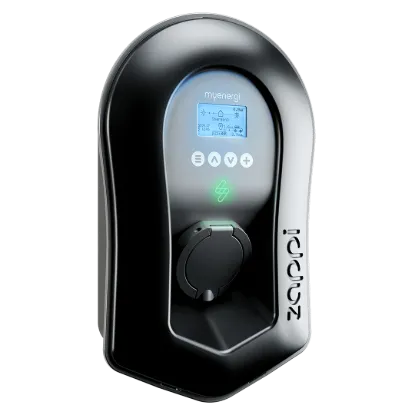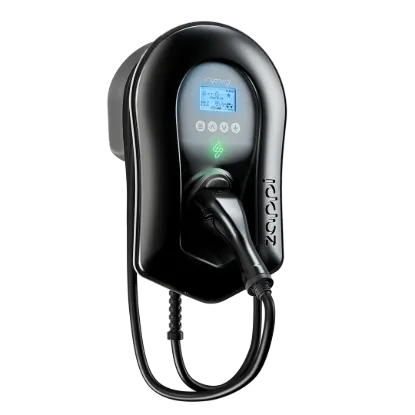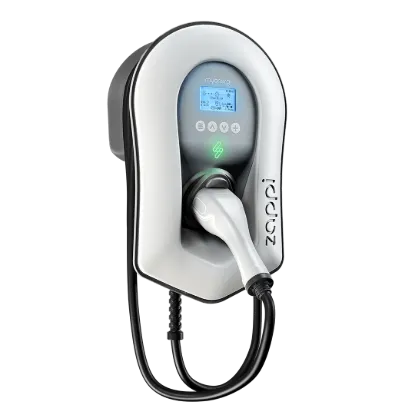


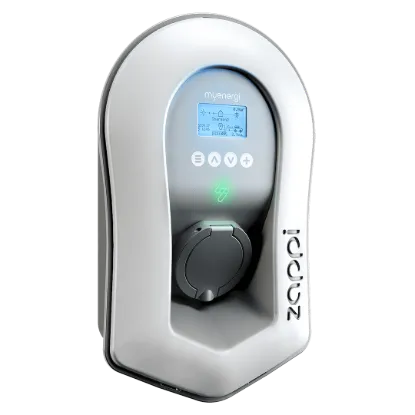
myenergi Zappi Smart EV Charger 7kW/22kW Untethered Type 2 - White
£532.00
ex VAT
£638.40 inc VAT
Tell us about the site and we will help with product options, supply and project pricing.
"LAMPS helped us source commercial EV charging hardware for a workplace install. Clear advice, competitive trade pricing and reliable stock availability."
"I ordered the Ohme Home Pro 5m Smart EV Charger from LAMPS as they offered the best price online. From the initial order to the product arriving within a few days it was effortless."
"I recently ordered a SolarEdge Home Wave SE3680 inverter and compatible wifi antenna to replace a faulty older inverter. Good price, quick delivery and excellent customer service."
Workplace and fleet charging
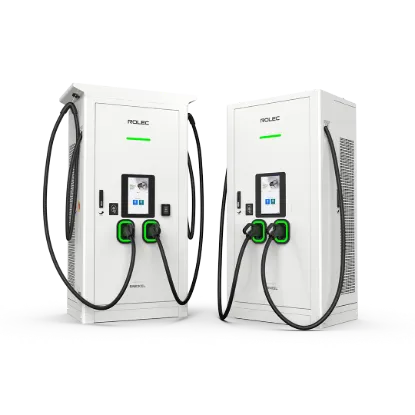
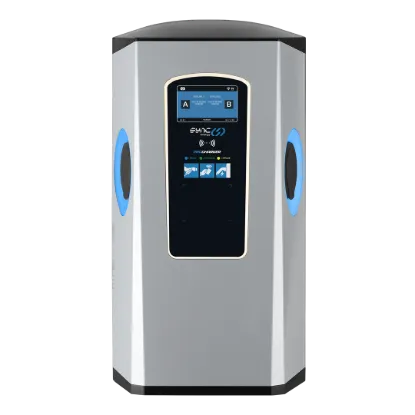
A commercial EV charger is a higher-duty charging unit designed for shared or business use rather than private residential charging.
These chargers are built to operate safely for repeated daily use and often support multiple users, access control, monitoring, and energy management features.
Many commercial systems can also be expanded over time as EV demand increases.
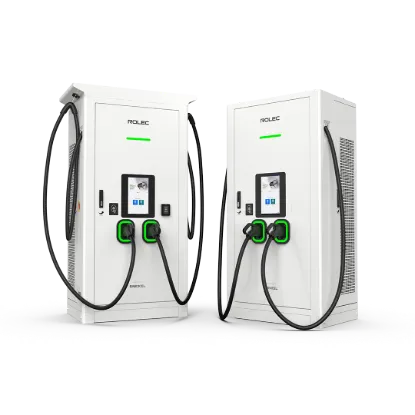
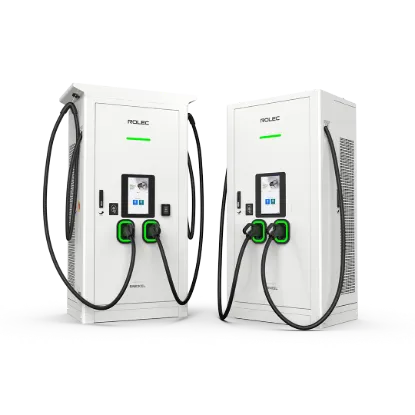
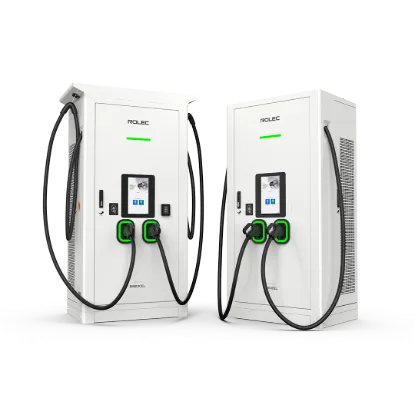
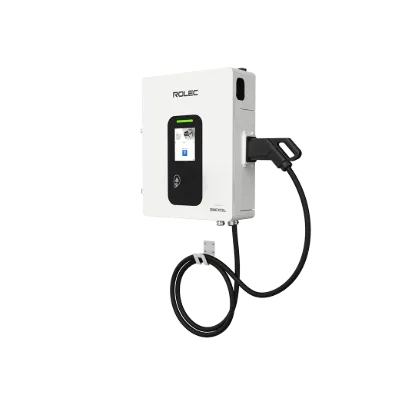
Commercial chargers are typically installed on dedicated posts, wall mounts, or pedestals and may be configured as single units or part of a wider charging network.
Commercial EV chargers are commonly installed in:
• Workplaces and staff car parks
• Fleet depots and logistics hubs
• Retail parks and shopping centres
• Hotels, leisure venues, and hospitality sites
• Schools, colleges, and universities
• Local authorities and public-sector buildings
• Property developments and managed estates
Each environment places different demands on charging speed, control, and scalability, which is why choosing the correct system from the outset is important.
Commercial EV chargers are available in a range of power outputs depending on site infrastructure and usage requirements.
22kW AC charging is the most common option for workplaces and destination charging, offering a strong balance between installation cost and charging speed.
Some sites may also require higher-powered solutions, particularly where vehicles need to be turned around quickly or used intensively throughout the day.
Your available electrical supply, site load capacity, and future expansion plans should always be considered before selecting charger power.
Modern commercial EV chargers offer advanced smart functionality, including:
• Load balancing across multiple chargers
• Dynamic power management to protect site supply
• User access control (RFID cards or app-based access)
• Usage monitoring and reporting
• Integration with back-office or OCPP platforms
These features help businesses manage energy usage effectively while ensuring chargers remain reliable and compliant.
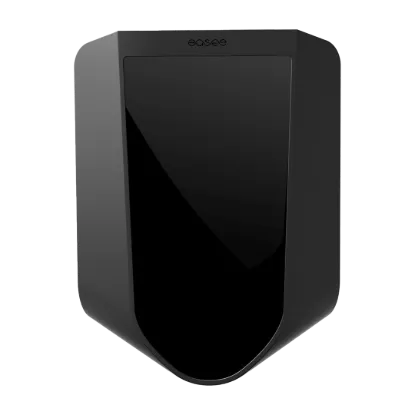
Brands such as Easee are particularly well known for scalable commercial charging systems that allow multiple units to be installed and managed together with intelligent load sharing.
Many commercial EV chargers support OCPP (Open Charge Point Protocol), which allows chargers to communicate with third-party management platforms.
This is especially important for sites that may later require:
• User billing
• Public access charging
• Usage analytics
• Integration with property or fleet management systems
Selecting OCPP-compatible hardware helps future-proof your investment and provides flexibility as charging requirements evolve.
Commercial EV charger installations are more complex than domestic installs and should always be properly planned.
Key factors include:
• Available electrical capacity
• Distance from supply and distribution boards
• Groundworks and mounting requirements
• Network connectivity (Ethernet, Wi-Fi, or 4G)
• Future expansion planning
Proper specification at the early stage can significantly reduce long-term costs and disruption.
The best commercial EV charger depends on how the site will be used.
For staff workplaces, reliability and load management are often the priority.
For public or semi-public locations, access control and system compatibility become more important.
For fleet or high-usage environments, scalability and durability are critical.
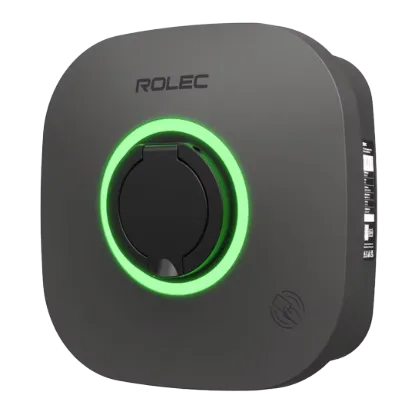
Our team can help businesses select suitable solutions from trusted manufacturers such as Rolec, myenergi, and Hypervolt, ensuring the system matches both current and future requirements.
Pick another charger to compare — no need to leave this page.
Browse all chargersSelect 2–4 chargers to compare.
Compare chargers