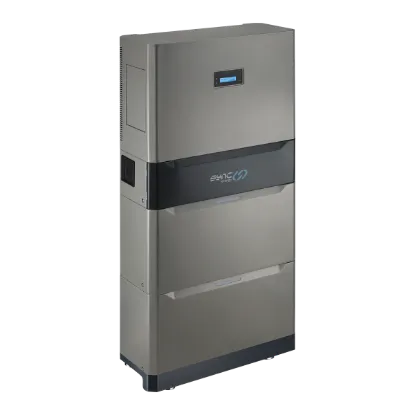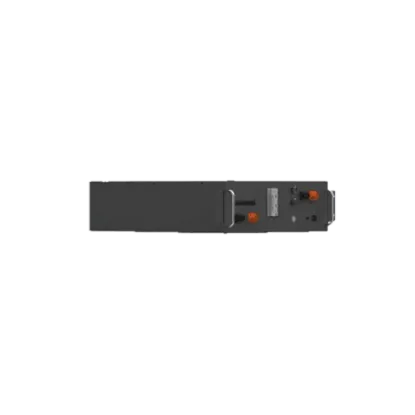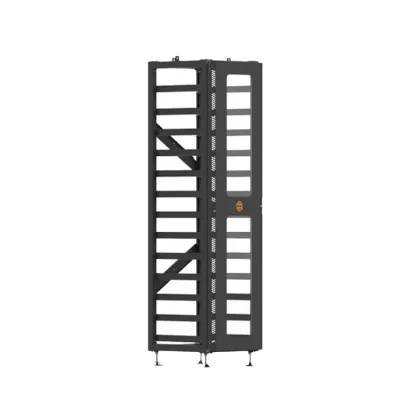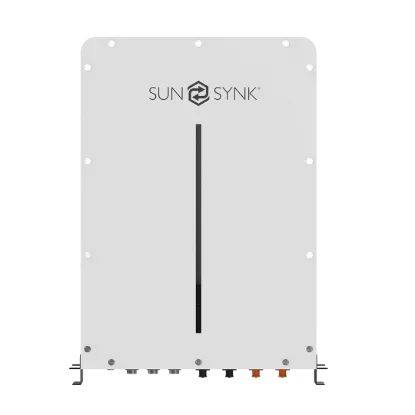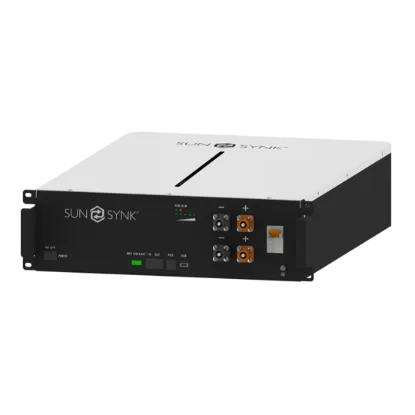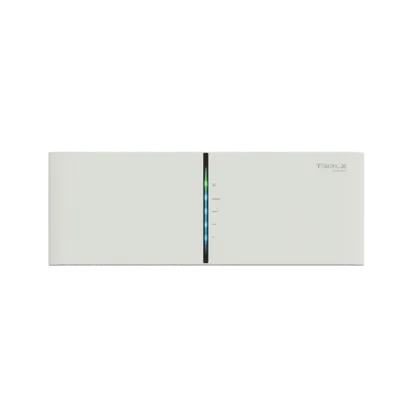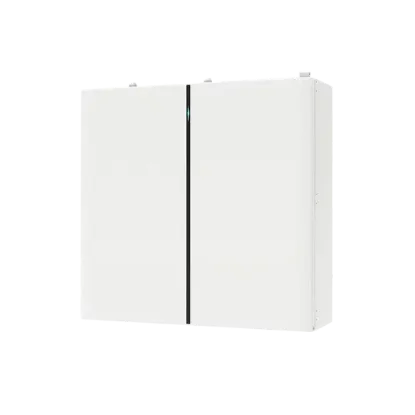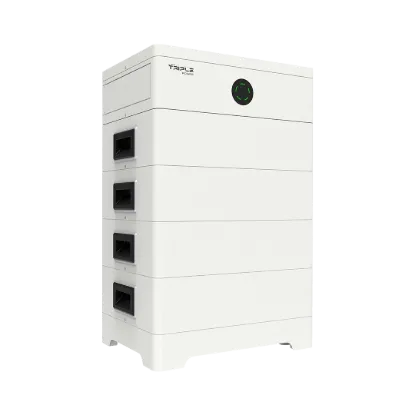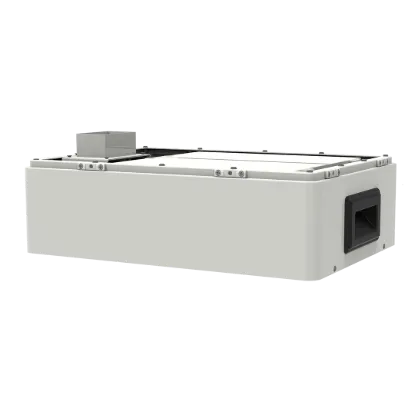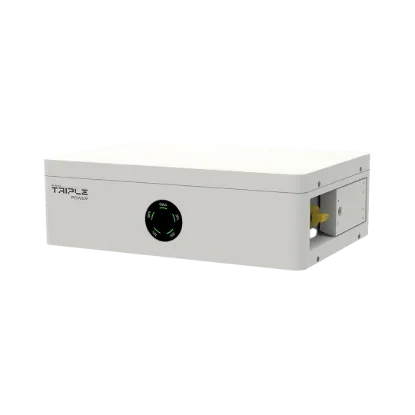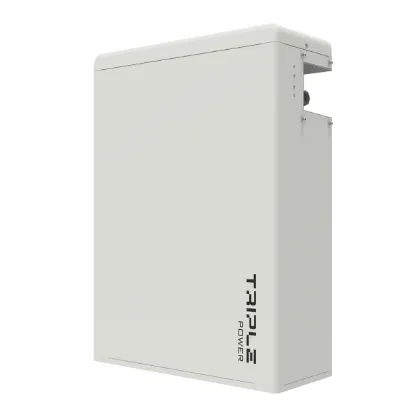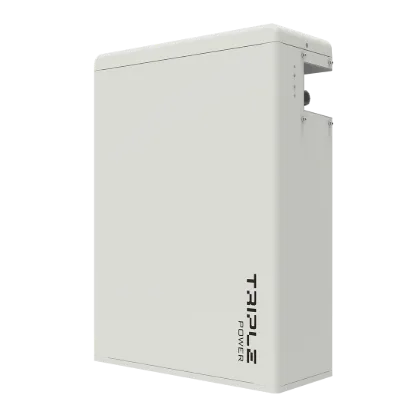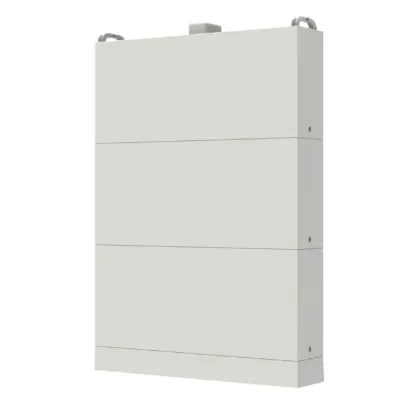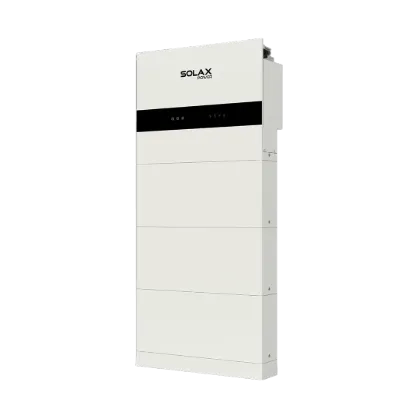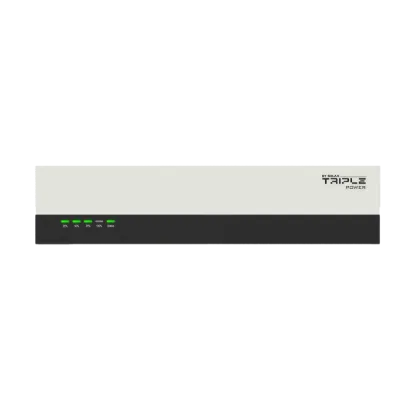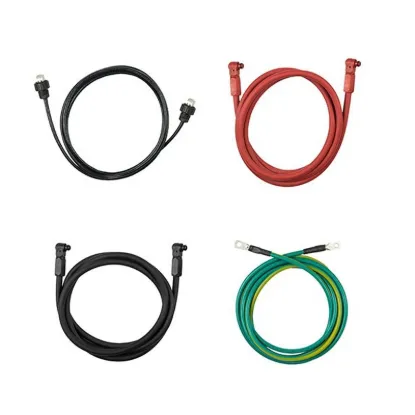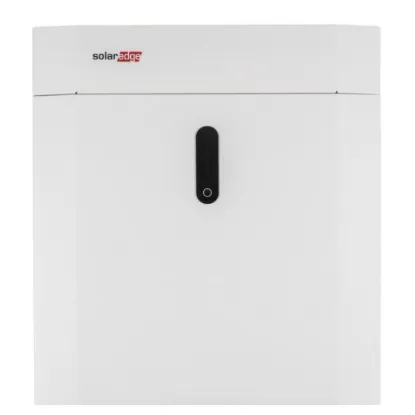


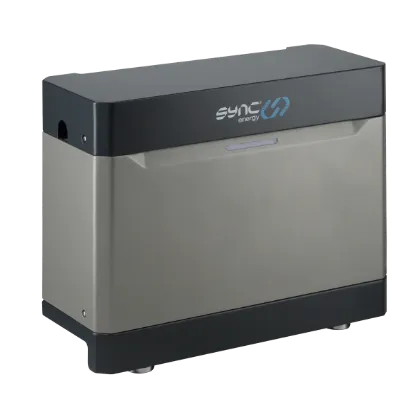
Sync Energy Flow Battery Module 5.12kWh
£1,125.00
ex VAT
Energy storage for solar systems
A solar battery is an energy storage system designed to store electricity generated by solar panels.
When solar generation exceeds on-site usage, excess electricity is directed into the battery rather than exported to the grid. That stored energy can then be used when solar production drops, such as in the evening or early morning.
Modern lithium-ion batteries are compact, efficient, and capable of thousands of charge cycles over their operational lifetime.
Adding a battery to a solar PV system offers several key advantages:
• Increased use of your own solar energy
• Reduced electricity imports from the grid
• Greater protection against rising energy prices
• Improved system efficiency and control
• Potential backup power capability (model dependent)
Battery storage is particularly effective when paired with time-of-use tariffs, allowing users to store low-cost electricity for later use.
Solar battery capacity is measured in kilowatt-hours (kWh).
The ideal battery size depends on:
• Daily electricity usage
• Solar system size
• Household or business consumption patterns
• Whether backup functionality is required
Smaller systems may focus on evening usage, while larger battery setups can support greater energy independence and extended storage.
Solar batteries can be installed using different system configurations.
Hybrid systems use a hybrid inverter that manages both solar generation and battery storage within a single unit.
AC-coupled systems connect the battery separately to the property’s electrical system, allowing batteries to be added to existing solar installations.
Manufacturers such as SolaX and Sunsynk offer flexible solutions suitable for both new installations and retrofits.
Modern battery systems include intelligent energy management features, such as:
• Automatic charge and discharge control
• Tariff-based charging schedules
• Solar forecasting and optimisation
• App-based monitoring and reporting
These features help maximise financial savings while ensuring efficient day-to-day operation.
Some solar battery systems can provide backup power during grid outages when installed with appropriate additional equipment.
Backup functionality depends on system design and inverter compatibility, and not all installations are configured for off-grid or emergency operation.
Where required, this should always be planned at the design stage.
High-quality lithium-ion batteries are designed for long-term use and typically offer:
• 6,000+ charge cycles
• 10-year manufacturer warranties
• Performance guarantees over time
Choosing established brands such as Fox ESS, Sunsynk, and SolaX provides confidence in long-term reliability and manufacturer support.
The right battery system depends on how energy is used within the property.
Key considerations include:
• Energy consumption patterns
• Desired level of grid independence
• Compatibility with inverters
• Physical installation space
• Future expansion requirements
Correct system design ensures the battery delivers meaningful savings and long-term performance rather than unused capacity.